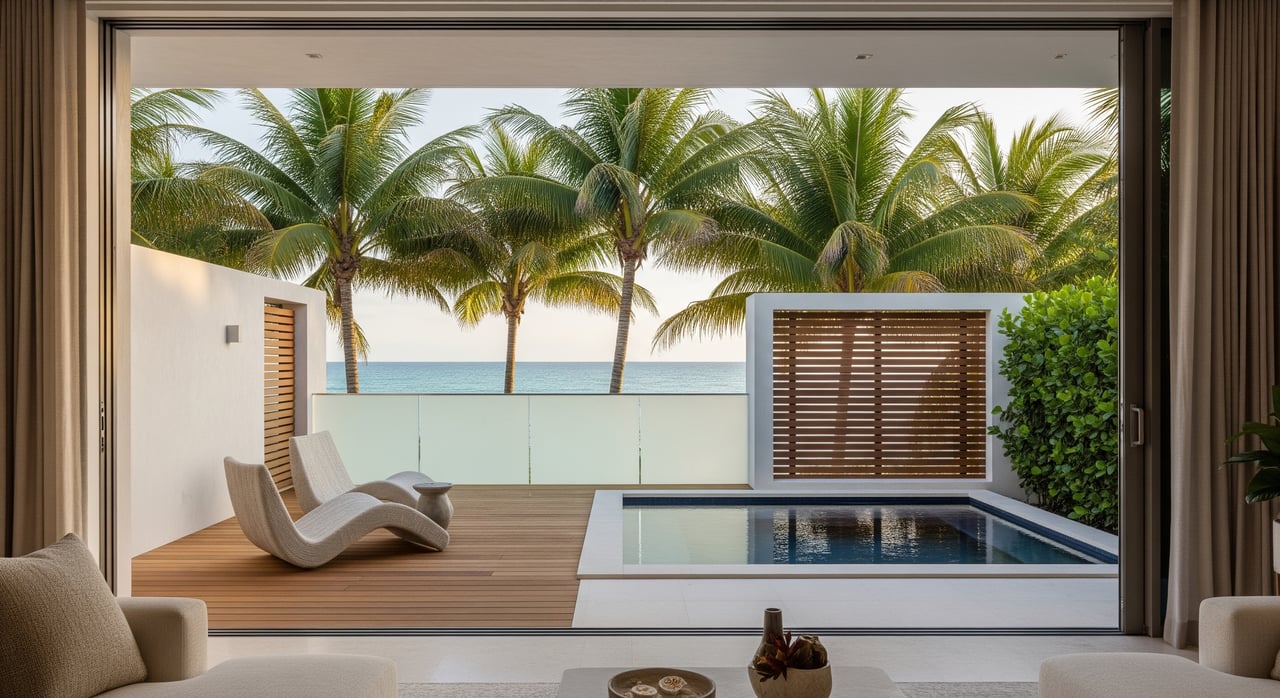
Do you love the South Beach lifestyle but want a home that feels serene the moment you close the door? In 33139, the energy is magnetic, yet true quiet takes intention. If privacy and calm are high on your list, a little knowledge goes a long way in choosing the right building, line, and floor plan. This guide gives you a clear framework to evaluate condos in South Beach for acoustic performance, privacy, and day-to-day peace. Let’s dive in.
South Beach soundscape: what to expect
South Beach is dense and vibrant. You will find steady activity from nightlife along Ocean Drive and Española Way, busy corridors on Collins Avenue and Washington Avenue, and service traffic that keeps the district running. Add periodic construction or renovations, and you get a wide noise profile at different times of day.
Noise is not only outside. In multifamily buildings, interior sources matter too. Neighbor footsteps, elevator and corridor movement, service rooms, HVAC hum and vibration, and turnover from short-term guests can affect both privacy and quiet.
Building design that protects your peace
The way a building is designed and built is your first line of defense. Focus on structures, assemblies, and details that are proven to control sound.
Floors and ceilings that block sound
Concrete slab construction is common in Miami high-rises and generally performs better for airborne and impact noise than wood framing. Still, details matter. Acoustic underlayments and floating or resilient connections are crucial for impact noise.
Know the metrics. Aim for at least STC 50 for airborne sound through floors and ceilings and IIC 50 for impact noise. Luxury buildings often achieve STC 55 to 60 and IIC 55 to 65. Ask whether assemblies were designed and tested to relevant ASTM standards for airborne and impact sound.
Windows and façades that quiet the city
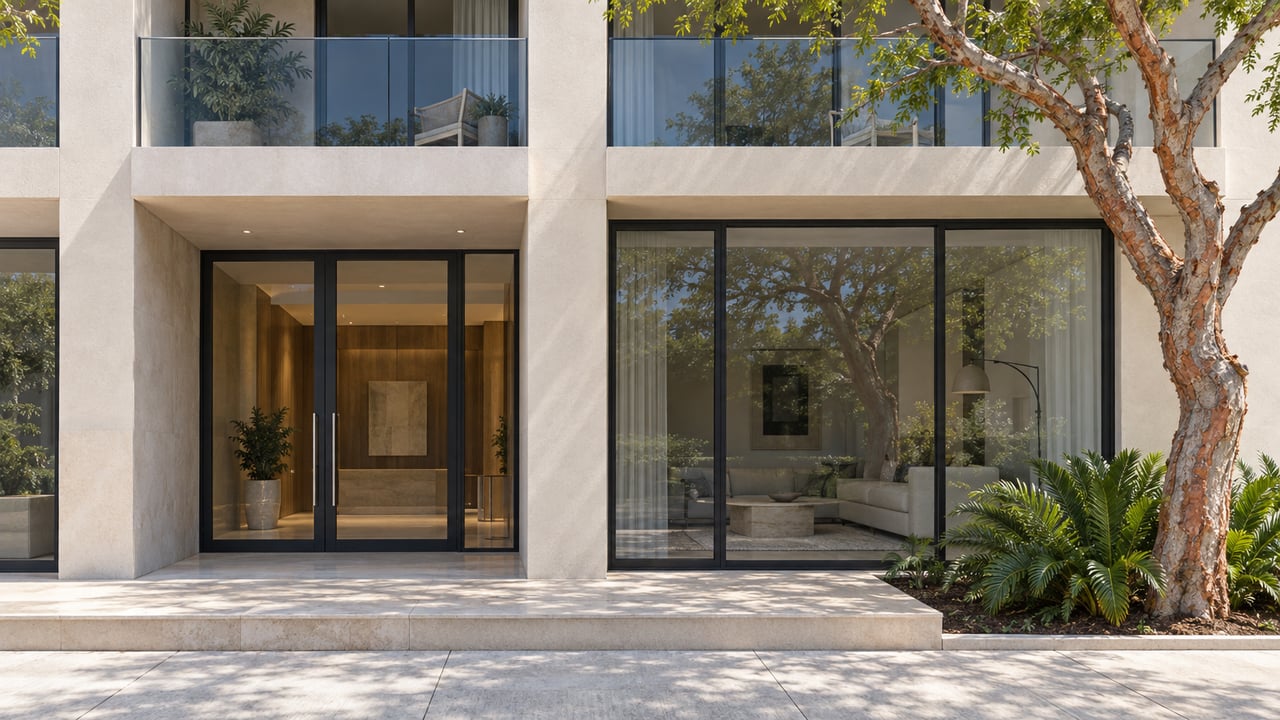
Glazing is a major factor in blocking street and nightlife noise. Laminated dual or triple glazing with good airspace and robust seals helps reduce exterior sound. South Florida impact-rated windows are a must for wind zones and can also improve acoustics when specified with acoustic laminates.
Not all impact windows are equal for sound. Pay attention to framing and gasket continuity, and remember that operable parts like sliders usually underperform fixed panels for isolation. Quality sealing around penetrations is essential.
Mechanical and service areas that stay quiet
Vertical shafts for plumbing and HVAC can transmit sound if not isolated. Mechanical rooms, elevator machine rooms, and rooftop equipment may introduce noise and vibration to adjacent or overlying units.
Amenities can be part of the issue. Pools, lounges, and fitness centers with long hours should be separated from bedroom lines. Loading areas, trash rooms, and service corridors are best kept away from primary residential zones.
Unit placement and layout choices
Two units in the same building can offer very different privacy experiences. Stack line, floor level, and interior layout all play a role.
Stacks, corners, and floor level
Single-stack designs with one unit per floor maximize privacy with fewer shared walls and fewer neighbors. Low-density cores with fewer doors per corridor are also helpful. In multi-stack buildings, positioning within the stack matters.
Corner units often share fewer walls, which can improve internal privacy. The tradeoff is more exterior glass, which can introduce more city sound. In South Beach, a corner that faces a quieter side street can be excellent while a corner on a nightlife street may be more exposed.
Lower floors usually feel closer to street noise. Higher floors reduce traffic and pedestrian noise but may be nearer to rooftop mechanical equipment or elevator overruns, depending on the building.
Bedrooms and buffer zones
A thoughtful floor plan places bedrooms away from corridors, elevators, and amenity walls. Look for closets, bathrooms, and laundry rooms used as buffer zones along shared walls. A private entry foyer can also create distance between the hallway and living or sleeping areas.
Balconies and exposure
Balcony design affects both noise and privacy. Recessed or overhung balconies can help buffer street sound better than projecting balconies. Consider how sound carries between neighboring balconies and whether the balcony orientation faces active streets or quieter interior courtyards.
Policies and governance that matter
Rules and enforcement are often as important as construction.
Condominium documents set the tone for privacy. Short-term rental policies, guest registration procedures, quiet hours, and amenity hours determine how the building operates day to day. Association rules can be stricter than municipal code and are a key part of your due diligence.
City and county noise ordinances set permitted levels and enforcement procedures. Regulations change, so confirm current City of Miami Beach and Miami-Dade County rules and complaint processes during your review.
Your shortlisting checklist for 33139
Use this framework to screen buildings before touring and to compare units apples to apples.
A) Preliminary research
- Confirm building type, ideally concrete slab construction.
- Request floor plans that show unit stacks, cores, and elevator banks.
- Note units per floor and per core, fewer neighbors often mean fewer noise paths.
- Review HOA rules, including short-term rental policy, quiet hours, amenity schedules, and pet policies.
- Ask about owner-occupancy versus rental usage, higher turnover often brings more activity.
- Identify current or planned construction nearby within a quarter to half a mile.
- Request construction specifications and any acoustical test reports for STC and IIC.
B) Questions to ask before or during a tour
- Where are mechanical rooms, elevator machine rooms, garbage and loading areas relative to the unit or stack?
- What is the window specification, impact rating and acoustic properties, glazing type, seals, and frames?
- What flooring is in the unit above, tile or carpet, and what underlayment is required by the HOA?
- What is the history of noise complaints and how are guest and noise rules enforced?
- Have there been any noise mitigation retrofits or improvements recently?
C) On-site evaluation tactics
- Visit at different times, weekday daytime, weekday evening, and weekend evening to capture nightlife peaks and service patterns.
- Walk the block and note exposure to Ocean Drive, Collins Avenue, and Washington Avenue versus side streets or interior courtyards.
- In the unit, listen with windows and doors closed and open, note HVAC, plumbing, and elevator sounds.
- Check bedroom placement relative to corridors, vertical shafts, and amenities.
- Assess balcony adjacency and potential sound paths between neighbors.
- Use a decibel meter app for comparative readings across times and units. Relative differences are most helpful.
- Talk with on-site staff or residents about typical noise sources and patterns.
D) Technical items to request before contract
- Floor and ceiling assembly details with STC and IIC ratings and any field test results.
- Elevation and plan drawings showing mechanical stacks and equipment locations.
- Recent reserve study or capital plans that mention mechanical upgrades or changes.
- Any recorded post-construction acoustical tests for actual in-field performance.
E) Unit features to prioritize
- Private or semi-private elevator access or a private foyer.
- Bedrooms placed away from street and amenity façades.
- Single-stack or low-density per-floor layouts.
- Buffer spaces, closets, baths, laundry, on shared or corridor walls.
- High-performance glazing with acoustic laminates, request manufacturer specs.
- Building rules that limit short-term rentals with strict guest and noise enforcement.
Due diligence and testing for high-value buys
If privacy is mission-critical, treat acoustics as part of your inspection strategy. Ask whether the building targeted STC 55 to 60 and IIC 55 to 65 for luxury performance. Request any field tests based on ASTM methods, since design targets and real-world results can differ.
Consider engaging an acoustic consultant for a pre-purchase review. For significant transactions, a specialist can interpret plans, evaluate past test data, and perform on-site measurements. Also review association documents for any planned mechanical changes that could affect noise now or later.
Smart touring strategy in South Beach
Timing matters in 33139. You want to understand evening and weekend patterns when nightlife is most active. Visit at least three times across different periods and compare your decibel readings and observations.
Orientation is a practical filter. Lines that face side streets or interior courtyards may feel calmer than those facing Ocean Drive or Collins Avenue. Higher floors can reduce street noise, while care near rooftop equipment remains important.
Putting it together: find your quiet
Start with the building. Favor robust concrete construction, documented acoustic assemblies, and thoughtful separation of residences from mechanical systems and amenities. Confirm governance that supports quiet living.
Then select the line. Choose stacks with fewer shared walls, smart bedroom placement, and glazing that aligns with your exposure. Evaluate balconies, neighbor adjacency, and corridor density.
Finally, test your assumptions. Visit at multiple times, ask specific questions, and gather actual specs or field test data. With a clear system, you can enjoy South Beach living without sacrificing peace.
Ready to curate a short list aligned with your privacy goals and lifestyle? Schedule a private, discreet search with Monica Hurtado and explore South Beach options that deliver both energy and quiet.
FAQs
Are higher floors quieter in South Beach condos?
- Higher floors usually reduce street and pedestrian noise, but proximity to rooftop mechanical equipment or elevator overruns can offset that benefit depending on the building.
Do corner units offer better privacy and quiet?
- Corner units share fewer walls, which can improve internal privacy, but they also have more exterior glazing that can admit city noise if not acoustically optimized.
How much do impact windows help with noise in 33139?
- Impact-rated glazing can help when specified with acoustic laminates and proper seals, though operable components like sliders are typically weaker than fixed panels for sound isolation.
What STC and IIC numbers should I look for in a luxury condo?
- Target at least STC 50 and IIC 50 as a baseline, with luxury performance often in the STC 55 to 60 and IIC 55 to 65 range based on common industry targets.
How do HOA rules affect day-to-day quiet in South Beach buildings?
- Policies on short-term rentals, guest registration, quiet hours, amenity hours, and enforcement shape the living experience and can be as important as construction quality.
What should I ask about the unit above to avoid footfall noise?
- Ask about the floor finish, tile versus carpet, the acoustic underlayment used, and any HOA requirements for rugs or underlayment to improve impact isolation.
How can I evaluate nightlife noise before committing to a condo?
- Visit at multiple times including weekend evenings, use a decibel meter app for comparisons, and note whether the unit faces active streets like Ocean Drive or quieter side streets.