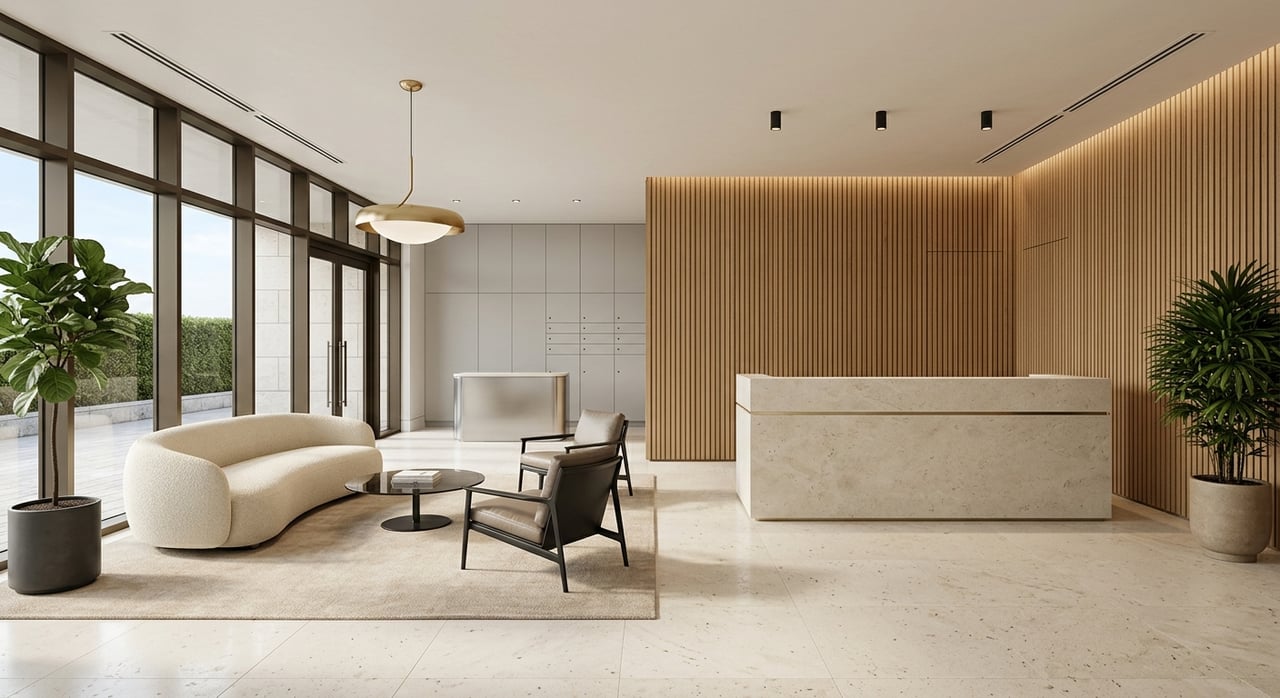
What makes one South Beach condo feel like a private retreat and another feel like a full-service resort? In this market, amenities are not just extras. They shape how you live every day, how much privacy you enjoy, and what you actually get for your monthly carrying costs. If you are comparing condos in South Beach, understanding the service stack behind each building can help you make a far more confident decision. Let’s dive in.
Why Amenities Matter in South Beach
In South Beach, the lifestyle starts outside the building as much as inside it. The area is supported by public beach and park infrastructure, including Lummus Park, South Pointe Park, beach access points, paths, restrooms, a trolley route, and beach-accessibility features maintained by the City of Miami Beach.
That matters because private building amenities are competing with an already strong public setting. In many cases, the premium you pay is less about basic beach access and more about convenience, privacy, service, and how seamless your day feels.
What Buyers Are Really Comparing
Most buyers are not simply choosing between oceanfront and non-oceanfront. They are comparing how much of their preferred lifestyle is built directly into the property.
That usually includes questions like these:
- Is beach access direct, private, or managed through a hospitality model?
- Does the building offer a true wellness program or just a fitness room?
- Are concierge and valet services resident-focused or shared heavily with guests?
- How much privacy do you give up for more dining, events, and social activity?
This is where South Beach buildings begin to separate into distinct categories. Some lean toward hotel-style living with deeper service layers, while others feel more residential, lower-density, and club-like.
Beach Access and Beach Service
Beach access is one of the first amenities buyers ask about, but not all beach offerings are the same. Some buildings provide private beach setups with dedicated chairs, umbrellas, and food service, while others offer a more hospitality-driven experience with broader programming.
For example, The Setai advertises private beach access with full service, including chairs, umbrellas, and food-and-beverage menus. 1 Hotel South Beach offers beachfront access, umbrella service, and cabanas, while The Ritz-Carlton Residences, South Beach includes beach concierge services and access tied to the hotel experience. Murano at Portofino, although bayfront rather than oceanfront, promotes a private bay-side beach club.
If beach time is central to how you plan to use the property, the details matter. You will want to know what is included, what is reserved for residents, and whether the experience feels private or more public-facing.
Pools, Spa, and Wellness
In South Beach, wellness amenities often define the difference between a luxury condo and a true resort-style residence. A simple pool deck may be enough for some buyers, but others want spa services, fitness partnerships, wellness programming, and multiple outdoor spaces.
Continuum is a strong example of a deeper wellness stack, with oversized heated lagoon pools, a private tennis pavilion, and its Sporting Club & Spa. The Setai features three temperature-controlled pools and Valmont Spa, while 1 Hotel South Beach lists multiple pools, Bamford Wellness Spa, Anatomy fitness, and kid programming.
The Ritz-Carlton Residences, South Beach adds a private rooftop pool terrace, a screening room, a 24-hour fitness center, and access to the Ritz-Carlton spa and fitness center. If your ideal routine includes morning workouts, poolside afternoons, and in-building wellness options, this category deserves close attention.
Concierge, Valet, and Security Layers
Service is often where a building either feels effortless or frustrating. Many South Beach condos advertise concierge, valet, and security, but the real difference is how those services function in daily life.
Apogee stands out as a privacy-first example. With 67 residences, four units per floor, private elevators, a secured entrance, 24-hour security, concierge service, and complimentary valet parking, it reflects a more controlled and lower-density experience.
Other buildings such as The Setai, The Ritz-Carlton Residences, and Murano at Portofino also promote concierge, valet, security, and package-handling services. The key question for you is whether those teams are primarily supporting residents or balancing residents alongside hotel guests, visitors, and event traffic.
Dining and Social Programming
Some South Beach buildings function almost like self-contained hospitality campuses. For the right buyer, that can be a major advantage.
Continuum includes The Patio restaurant. The Setai offers multiple dining venues and courtyard programming, while 1 Hotel South Beach layers in several food concepts along with event programming.
If you value on-site dining, a lively social atmosphere, and the convenience of staying within the property for meals or gatherings, these features can meaningfully enhance daily life. If you prefer a quieter residential tone, more programming may feel like more activity than you want.
Privacy Versus Activity
One of the clearest South Beach tradeoffs is privacy versus service intensity. Buildings with extensive restaurants, events, and hotel integration often deliver a richer hospitality experience, but they can also bring more lobby traffic and more non-resident presence.
On the other side of the spectrum, lower-density or more residential towers tend to offer a quieter rhythm. Fewer units per floor, more controlled elevator access, and less public-facing activity can create a stronger sense of retreat.
A useful rule of thumb is simple: fewer residences sharing elevators, staff, and common spaces usually means more perceived privacy. That is why unit count, floor layout, and access control should be part of your amenity review, not an afterthought.
The Public Setting Around the Building
The surrounding public realm also shapes your experience in South Beach. Lummus Park stretches across a 10-block beachfront corridor from 5th Street to 14th Place and includes paths, restrooms, beach access, and frequent events. South Pointe Park adds beach access, paid parking, a playground, outdoor fitness, and a pier.
For some owners, that walkable, active setting is a major part of the appeal. For others, proximity to busy public spaces may feel like a tradeoff if they are prioritizing seclusion and a more private day-to-day atmosphere.
This is why location within South Beach matters just as much as the building itself. A condo’s amenity package should always be considered alongside the energy of the surrounding blocks.
HOA Costs and Long-Term Ownership
Amenities are never just about lifestyle. They also affect operating costs, reserves, and long-term ownership planning.
Under Florida condominium law, annual budgets must include reserve accounts. Residential condominiums in buildings that are three habitable stories or higher must also complete a structural integrity reserve study at least every 10 years. That study must identify the common areas inspected, estimate remaining useful life and replacement cost or deferred maintenance expense, and recommend annual reserve funding.
For you as a buyer, that means the amenity list should always be reviewed next to the building’s budget, reserve plan, and assessment history. More pools, more staffing, beach service, valet operations, and hospitality-style amenities usually bring more operating complexity.
Documents You Should Review
Before you treat amenities as part of the value equation, ask to review the building’s financial and governing documents. Florida law treats the association’s official records as inspectable records and allows electronic access in many cases.
A practical review should include:
- Current budget
- Reserve study
- Assessment history
- Building rules
- Rental policy
- Pet rules
- Guest restrictions
These documents help you understand whether the amenity package aligns with your intended use and your comfort with ongoing costs.
Smart Questions to Ask Before You Buy
A polished pool deck or beach setup can be compelling, but the better questions are practical. Ask how the services work, what they cost, and how often you will use them.
Here are a few helpful questions to bring into your search:
- Are beach chairs, umbrellas, cabanas, and pool daybeds included in the HOA or billed separately?
- Is the property hotel-integrated, and if so, which services are shared with guests?
- How many units share each elevator bank, pool deck, and valet lane?
- What do the current budget, reserve study, and assessment history show?
- Are there rental minimums, pet rules, or guest restrictions that affect amenity use?
- Will you use the amenity package often enough to justify the carrying cost?
The right building is rarely the one with the longest amenity list. It is the one whose services fit your routine, priorities, and ownership goals.
How to Match Amenities to Your Lifestyle
If you want a highly serviced, resort-like experience with beach support, wellness offerings, dining, and event programming, hotel-branded or hospitality-driven properties may be the best fit. They can offer exceptional convenience and a polished daily rhythm.
If you value privacy, lower density, and a quieter residential environment, a more controlled and club-like building may serve you better. In South Beach, both models exist, but they deliver very different ownership experiences.
The best decision comes from understanding how you actually plan to live. Once that is clear, the right amenity package usually becomes much easier to identify.
If you are comparing South Beach condos and want a more tailored view of which buildings align with your privacy preferences, lifestyle goals, and long-term ownership strategy, Monica Hurtado can help you evaluate the details with clarity and discretion.
FAQs
What condo amenities matter most in South Beach?
- The most important amenities usually include beach access and service, pools, spa and fitness offerings, concierge and valet, security, dining options, and the level of privacy built into the property.
How do South Beach hotel-style condos differ from residential towers?
- Hotel-style condos often offer deeper service layers and more dining or event programming, while more residential towers usually provide lower density, more controlled access, and a quieter day-to-day experience.
What should you ask about South Beach condo HOA fees?
- You should ask what amenities are included, whether any services are billed separately, what the reserve study shows, and whether the building has any recent or planned special assessments.
Why does privacy vary so much between South Beach condos?
- Privacy often depends on unit count, units per floor, elevator access, security design, and whether amenities are shared with hotel guests, visitors, or event attendees.
How do public parks affect South Beach condo living?
- Public spaces like Lummus Park and South Pointe Park add beach access, walkability, recreation, and activity, which can be either a benefit or a tradeoff depending on how much privacy and quiet you want.
What documents should you review before buying a South Beach condo?
- You should review the current budget, reserve study, assessment history, building rules, rental policy, pet rules, and guest restrictions before making a decision.